Tips for Stunning Horseback Photography: Capture Your Adventure Perfectly
- May 12
- 4 min read
Horseback photography is a wonderful way to preserve memories of your outdoor adventures. Whether you are riding through lush forests, along private beaches, or beside peaceful rivers, capturing those moments beautifully can make your experience unforgettable. I want to share some practical horseback photography tips that will help you take stunning photos, even if you are a beginner or just love scenic outdoor activities.
Essential Horseback Photography Tips for Beginners
When you are out on a horse safari or a beach ride, the environment is dynamic and full of natural beauty. Here are some simple but effective tips to help you get the best shots:
Use natural light to your advantage. Early morning or late afternoon light, often called the golden hour, creates soft, warm tones that enhance the mood of your photos.
Keep your camera steady. Horses move, and so do you. Use a fast shutter speed to freeze motion and avoid blurry images.
Focus on the horse’s eyes. The eyes tell a story and bring life to your photos. Make sure they are sharp and clear.
Capture candid moments. Sometimes the best photos are unplanned. Watch for natural interactions between rider and horse or the horse’s expressions.
Experiment with angles. Try shooting from eye level, low angles, or even from behind the horse to add variety and interest.
Remember, patience is key. Horses can be unpredictable, so take your time and enjoy the process.

How to Prepare for Your Horseback Photography Session
Preparation can make a big difference in the quality of your photos. Here’s how to get ready:
Choose the right gear. A DSLR or mirrorless camera with a zoom lens is ideal, but even a good smartphone can work well if you know how to use it.
Dress appropriately. Wear comfortable clothes and shoes suitable for riding and walking outdoors.
Scout your location. Arrive early to find the best spots with beautiful backgrounds like trees, water, or open fields.
Communicate with your guide. If you are on a guided safari or beach ride, let your guide know you want to take photos. They can help position the horses and riders for better shots.
Bring extra batteries and memory cards. You don’t want to miss a moment because your camera ran out of power or storage.
By planning ahead, you’ll feel more relaxed and ready to capture those magical moments.
What is the 20% Rule with Horses?
The 20% rule is a helpful guideline when photographing horses to ensure their comfort and safety. It means you should never get closer than 20% of the horse’s body length without permission or proper handling. This distance helps avoid startling the horse and keeps both you and the animal safe.
For example, if a horse is about 2 meters long, keep at least 40 centimeters distance when approaching or taking close-up shots. Use a zoom lens to get detailed images without invading the horse’s personal space.
Respecting this rule not only protects the horse but also helps you get natural, relaxed photos. Horses that feel safe are more likely to show their true personality in your pictures.
Tips for Capturing Movement and Action
One of the most exciting parts of horseback photography is capturing the horse in motion. Here are some tips to freeze or creatively blur movement:
Use a fast shutter speed (1/500 or faster) to freeze galloping or trotting horses.
Try panning. Follow the horse with your camera while using a slower shutter speed (around 1/30 to 1/60) to create a motion blur background and a sharp subject.
Shoot burst mode. Take multiple shots in quick succession to increase your chances of getting the perfect moment.
Focus on the legs and hooves. These parts show the power and grace of the horse’s movement.
Include the rider’s posture. A balanced rider adds to the story of the photo and shows the harmony between horse and human.
Movement photos are dynamic and full of energy, so don’t be afraid to experiment and have fun.
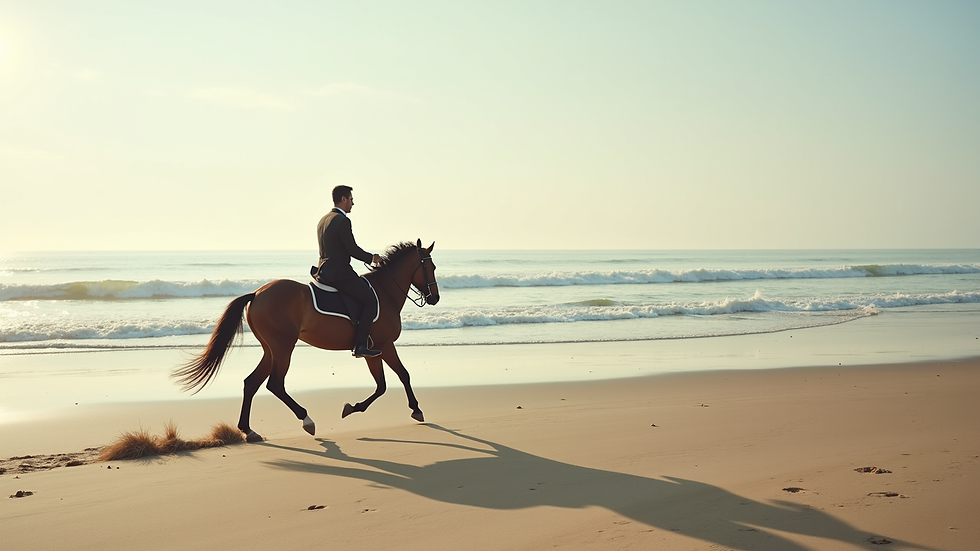
Using Composition to Enhance Your Horseback Photos
Good composition can turn an ordinary photo into a stunning one. Here are some composition tips to keep in mind:
Rule of thirds. Imagine your frame divided into nine equal parts. Place the horse or rider along these lines or at their intersections for a balanced image.
Leading lines. Use natural lines like trails, fences, or riverbanks to guide the viewer’s eye toward the horse.
Frame your subject. Use trees, arches, or shadows to create a natural frame around the horse.
Negative space. Sometimes leaving empty space around the horse emphasizes its size and the vastness of the landscape.
Background matters. Avoid cluttered or distracting backgrounds. A simple, clean background makes your subject stand out.
By paying attention to these elements, your photos will look more professional and visually appealing.
Capture Your Memories with Confidence
Taking photos during your horseback adventure should be enjoyable and stress-free. Remember, the goal is to capture the beauty of the moment, not to create perfect images every time. If you want more detailed guidance, check out these photos on horseback tips for additional inspiration.
Don’t hesitate to ask your guide for help or to take photos of you riding. They often have experience and can suggest the best spots and poses.
With these tips, you’ll be ready to create stunning images that tell the story of your unique outdoor experience. Enjoy every moment, and let your camera capture the magic of horseback riding in nature.
Happy shooting!


