Your Guide to the Perfect Horse Riding Outfit - horse riding clothes guide
- May 5
- 4 min read
Horse riding is a wonderful way to explore nature, enjoy fresh air, and experience a unique connection with these majestic animals. Whether you are planning a forest horse safari, a private beach ride, or a gentle river canoeing adventure, having the right outfit is essential. It keeps you comfortable, safe, and stylish throughout your ride. In this guide, I will walk you through everything you need to know to put together the perfect horse riding outfit.
Understanding the Basics of a Horse Riding Clothes Guide
When it comes to horse riding, your clothes are more than just a fashion statement. They serve practical purposes like protection, comfort, and flexibility. The right outfit helps you move freely, stay safe, and enjoy your ride without distractions.
Here are the key components to consider:
Comfort: You will be sitting and moving in the saddle for a while, so your clothes should feel good on your skin and not restrict your movements.
Safety: Certain items like helmets and boots protect you from injuries.
Weather-appropriate: Dress in layers or choose breathable fabrics depending on the season.
Durability: Riding can be tough on clothes, so pick materials that can handle some wear and tear.
By focusing on these points, you can create an outfit that enhances your riding experience.
Essential Clothing Items for Horse Riding
Let’s break down the main pieces you should include in your horse riding outfit:
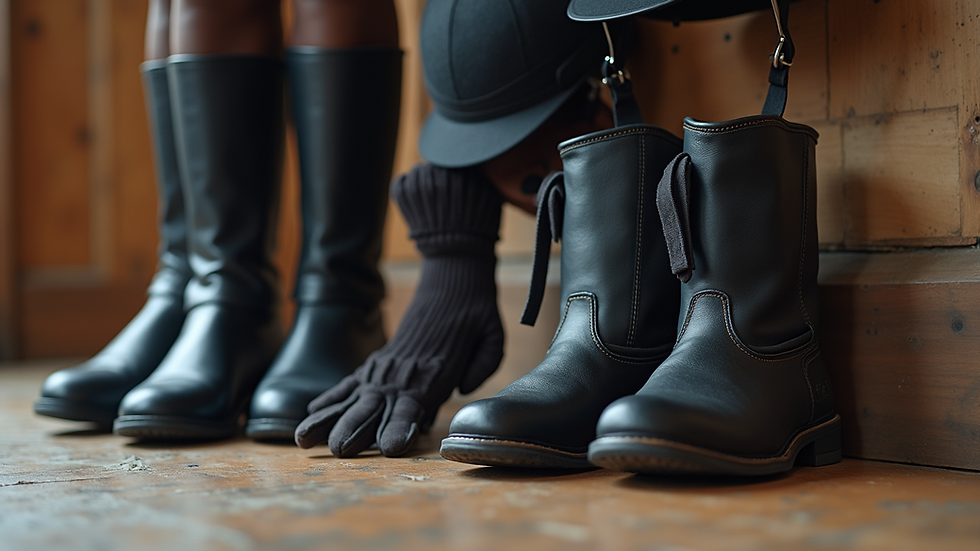
1. Riding Helmet
Safety first! A well-fitted riding helmet is a must-have. It protects your head in case of falls or bumps. Look for helmets that meet safety standards and have adjustable straps for a snug fit.
2. Riding Shirt or Top
Choose a breathable, moisture-wicking shirt. Long sleeves are ideal to protect your arms from sun and scratches. In cooler weather, layering with a lightweight jacket or fleece works well.
3. Riding Breeches or Jodhpurs
These are specially designed pants for horse riding. They fit snugly and have reinforced patches on the inside of the knees for grip and durability. Avoid jeans or loose pants as they can cause chafing and discomfort.
4. Riding Boots
Proper boots have a small heel to prevent your foot from slipping through the stirrup. They also protect your ankles and provide support. If you don’t have riding boots, sturdy ankle boots with a heel can work as a substitute.
5. Gloves
Riding gloves improve your grip on the reins and protect your hands from blisters. Choose gloves made from breathable materials with some stretch.
6. Outerwear
Depending on the weather, a waterproof jacket or windbreaker can keep you dry and warm. Look for jackets with vents to avoid overheating.
Choosing the Right Fabrics and Fit
The fabric of your horse riding clothes plays a big role in your comfort. Here are some tips:
Breathable fabrics: Cotton blends, moisture-wicking synthetics, and lightweight wool help regulate your body temperature.
Stretchy materials: Look for fabrics with some elastane or spandex for flexibility.
Durable textiles: Reinforced areas on breeches and jackets prevent wear from saddle friction.
Proper fit: Clothes should be snug but not tight. Avoid baggy clothes that can get caught or restrict movement.
When trying on riding clothes, move around as if you were mounting and riding a horse. This helps ensure the fit is right for all riding motions.
Accessories That Make a Difference
Small accessories can improve your riding experience significantly:
Sun protection: A wide-brimmed hat or a neck gaiter can shield you from the sun when you’re not wearing your helmet.
Sunglasses: Polarized lenses reduce glare and protect your eyes.
Socks: Choose tall, cushioned socks to prevent rubbing inside your boots.
Safety vest: For beginners or trail rides in rough terrain, a safety vest adds extra protection.
These extras might seem minor but can make your ride more enjoyable and safe.

Preparing for Different Riding Environments
Your outfit might need slight adjustments depending on where you ride:
Forest horse safaris: Wear long sleeves and pants to protect against branches and insects. Waterproof boots and jackets are helpful if the ground is wet.
Private beach rides: Lightweight, quick-drying clothes are best. Consider sunglasses and sunscreen for sun protection.
River canoeing and riding combos: Choose clothes that dry fast and can handle getting wet. Avoid heavy fabrics that stay soaked.
By tailoring your outfit to the environment, you stay comfortable and ready for any adventure.
Final Tips for Your Horse Riding Outfit
Before you head out, here are some final pointers to keep in mind:
Always try on your full outfit before the ride to check comfort and fit.
Pack an extra layer or rain gear just in case.
Keep your clothes clean and well-maintained to extend their life.
If you’re new to riding, ask your guide for advice on what to wear.
Remember, the right outfit boosts your confidence and enjoyment.
If you want a detailed horse riding outfit guide with product suggestions and packing lists, check out trusted equestrian resources online.
I hope this guide helps you feel prepared and excited for your next horse riding adventure. With the right clothes, you can focus on the beauty of the ride and the joy of connecting with your horse. Happy riding!


